Rethinking Building Performance
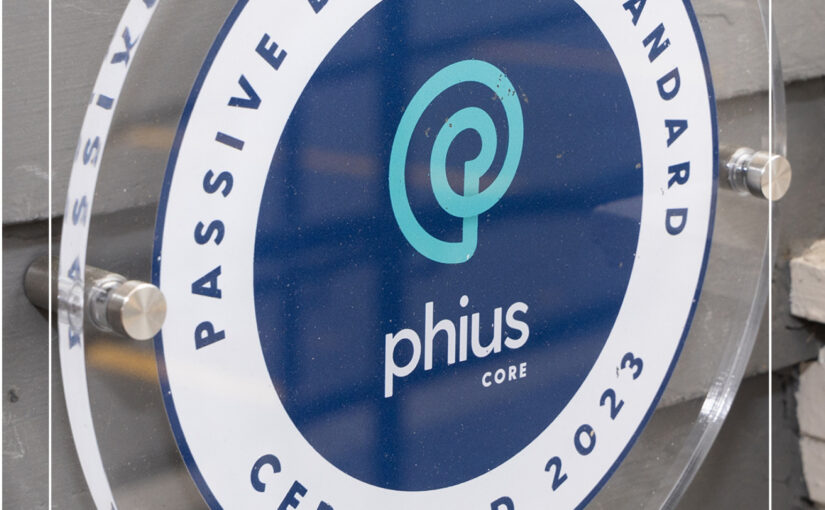
Passive House is often described as a high-performance building standard, but that only tells part of its significance. At its core, Passive House represents a shift in how we think about building performance in terms of energy use and how buildings support the people who use them every day. A Passive House building is defined as one that includes a rigorous, performance-based building design standard that creates ultra-low energy structures requiring very little energy for heating or cooling. In North America, PHIUS (Passive House Institute US) also includes co-requisite certifications, including US EPA Energy Star, Indoor airPLUS, and DOE Zero Energy Ready Home (ZERH).
While often associated with residential projects, Passive House principles apply across many building types, from multi-family housing to academic and institutional facilities. The goal is the same: to create buildings that are more efficient, more comfortable, and more reliable over time.
Passive House gives teams a clear, measurable way to design buildings that perform as intended, optimize occupant health and comfort, and remain resilient and predictable over time. With the right planning and coordination, these buildings can reduce heating and cooling energy use by more than 90% and overall energy use by more than 60%. But the real value isn’t just in numbers; it’s knowing the building performs as designed, in both energy performance and how it supports the people who use it every day.
Continue reading Part 1: Passive House: Designing for Performance